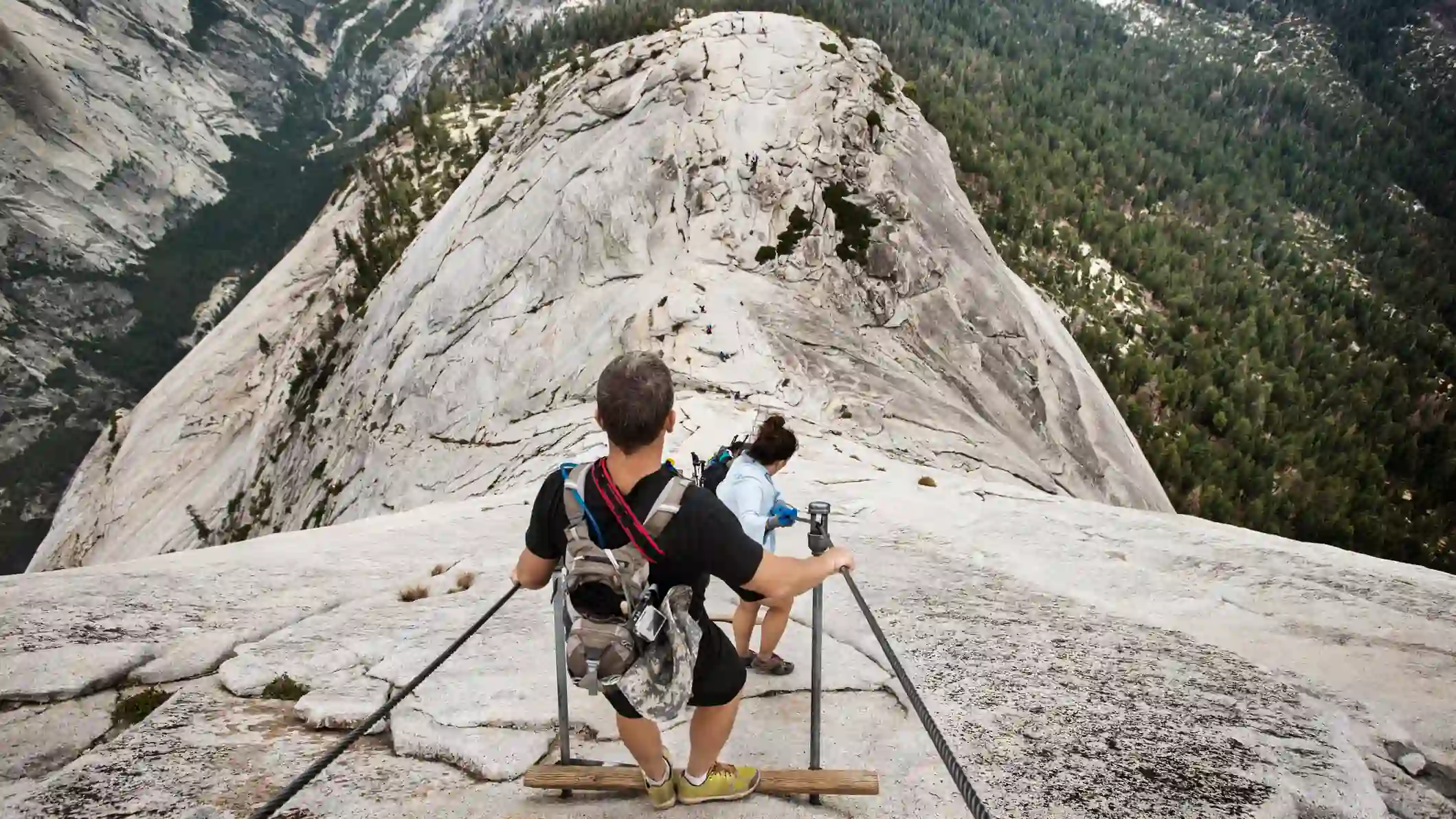

Responsible waste management during challenging desert summit hikes is essential for preserving the environment and enhancing the hiking experience. Litter can mar the pristine beauty of these landscapes, while improper waste disposal poses risks to local wildlife. By adopting sustainable practices, hikers not only protect fragile ecosystems but also foster a sense of community among fellow adventurers. The impact of these actions can be profound, prompting a deeper consideration of how each individual contributes to the trail’s legacy.
Key Takeaways
- Responsible waste management preserves the stark beauty of desert landscapes, ensuring they remain pristine for future adventurers to enjoy.
- Proper disposal practices protect fragile desert ecosystems and habitats from degradation caused by litter and waste.
- Minimizing waste enhances the hiking experience, allowing hikers to connect more deeply with the unique desert environment.
- Educating fellow hikers fosters a culture of sustainability, encouraging shared responsibility for the preservation of challenging desert trails.
- Organized clean-up efforts unite hikers in stewardship, strengthening community bonds and promoting a collective commitment to environmental care.
Why Desert Waste Matters to Hikers
When hikers commence on challenging desert summit hikes, the impact of waste management often goes unnoticed, yet it holds significant importance. Proper disposal of waste not only preserves the stunning landscapes but also protects local ecosystems. Litter, such as food wrappers and plastic bottles, can disrupt fragile habitats and harm wildlife. Furthermore, responsible waste management fosters a sense of community among hikers, encouraging them to share values of respect and stewardship. By minimizing their environmental impact, hikers contribute to a collective effort that guarantees these breathtaking trails remain pristine for future adventurers. Embracing responsible practices creates a legacy of care, inviting others to join in the commitment to preserving the beauty of challenging desert summit hikes for generations to come.
The Importance of Waste Management in Challenging Desert Summit Hikes
Responsible waste management is essential for preserving the delicate ecosystems encountered during challenging desert summit hikes. The unique flora and fauna of these arid environments rely on a balanced ecosystem, one that can be easily disrupted by litter and waste. Hikers play a significant role in maintaining this balance by minimizing their environmental impact. Proper waste disposal not only protects wildlife habitats but also enhances the hiking experience for all adventurers. When hikers embrace responsible waste practices, they foster a sense of community and shared stewardship for the land. This commitment cultivates a culture of respect among outdoor enthusiasts, ensuring that future generations can enjoy the stunning beauty of challenging desert summit hikes. Ultimately, responsible waste management unites hikers in their quest for adventure and preservation.

Best Practices for Waste Disposal While Hiking in the Desert
Although the thrill of challenging desert summit hikes draws many adventurers into these rugged landscapes, the importance of proper waste disposal cannot be overstated. Adopting best practices guarantees that these beautiful environments remain pristine for future hikers. Responsible waste management fosters a sense of community among outdoor enthusiasts.
- Always pack out what you pack in.
- Use biodegradable soap for washing dishes.
- Dispose of human waste in designated areas or use portable toilets.
- Recycle where possible, especially plastic and aluminum.
- Leave no trace; avoid creating new trails or campsites.
How Responsible Waste Management Enhances Your Hiking Experience
Engaging in challenging desert summit hikes can be a transformative experience, particularly when hikers embrace responsible waste management practices. Such practices not only preserve the natural beauty of the desert but also enhance the overall hiking experience for everyone. By minimizing litter and waste, hikers contribute to a cleaner environment, fostering a sense of community and shared responsibility. This collective effort cultivates a deeper connection to nature, as pristine landscapes inspire awe and respect. Furthermore, responsible waste management reduces the risk of wildlife encounters, ensuring a safer and more enjoyable journey. Ultimately, when hikers prioritize sustainability, they not only protect the environment but also enrich their own adventure, creating lasting memories in an unspoiled wilderness that everyone can cherish.
How to Promote Responsible Waste Management on Hikes
Promoting responsible waste management on hikes is essential for preserving the integrity of challenging desert summit hikes. By fostering a culture of sustainability, hikers can notably reduce their environmental impact and enhance their outdoor experience.
- Educate fellow hikers about the importance of leaving no trace.
- Provide accessible trash disposal options at trailheads.
- Organize community clean-up events to encourage group participation.
- Share tips on eco-friendly gear and packaging.
- Utilize social media to spread awareness and inspire others.
Frequently Asked Questions
What Types of Waste Are Most Problematic in Desert Environments?
In desert environments, plastic waste, food remnants, and human waste pose significant challenges. These materials disrupt ecosystems, attract wildlife, and can lead to pollution, making responsible waste management essential for preserving these fragile landscapes during challenging desert summit hikes.
How Does Wildlife Impact Waste Management in Desert Hikes?
Wildlife greatly influences waste management during challenging desert summit hikes, as animals may ingest or disperse improperly discarded waste. Responsible hikers minimize environmental impact, ensuring both safety and ecological balance in these fragile ecosystems.
Can I Use Biodegradable Products While Hiking?
Biodegradable products can enhance hiking experiences by minimizing environmental impact. They break down naturally, reducing waste accumulation. Hikers should prioritize these options to promote sustainability, ensuring pristine conditions for future adventurers on challenging desert summit hikes.
What Should I Do if I Find Trash on the Trail?
If someone finds trash on the trail, they should pick it up and dispose of it properly. This simple act promotes environmental stewardship, fostering a sense of community and responsibility among fellow hikers during challenging desert summit hikes.
Are There Specific Regulations for Waste Disposal in Desert Parks?
Many desert parks implement specific regulations for waste disposal, including pack-out policies. Adhering to these guidelines not only preserves the environment but fosters a sense of community among hikers dedicated to maintaining pristine trails.
Conclusion
In summary, responsible waste management during desert summit hikes is essential for preserving the breathtaking landscapes and ecosystems that hikers cherish. By adopting best practices for waste disposal, adventurers not only enhance their own experiences but also contribute to a culture of community stewardship. Embracing these principles guarantees safer encounters with wildlife and protects the environment for future generations. Ultimately, every hiker has the power to make a positive impact, fostering a deeper connection with nature.
You May Also Like To Read: